Tuesday, February 24, 2009

Global Collaboration between Students

The Center for Interactive Learning and Collaboration (CILC)  is a great site for students from all over the world to work on collaborative Math and Science projects.  "Down the Drain" is an example of a world wide project in which students from all over the world observe then record data on how much water they each use everyday.   Another example of collaborating data is for the students to record and analyze the collected data on their dominant traits.  

In my first grade class, I think it would be educationally beneficial for my students to set up and participate in a project with others in which they would record data based on the kind of rocks found on their school property.  It would be interesting to see the similarities and differences in the "rocks" depending on what part of the world the students lived.  


Tuesday, February 10, 2009

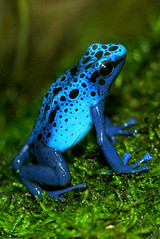
Blue Poison Dart Frog


Blue Poison Dart Frog
Originally uploaded by ucumari
This frog is cute too!

orange eyed green tree frog

Isn't this the cutest frog you ever did see?

Sunday, February 8, 2009

Always learning

For those who are interested in teaching at international schools in other countries, Kim Kofina has created a blog titled Always Learning which allows her and other international teachers to blog about their experiences.  Reading the blogs will help you make a decision as to IF and WHERE you might want to teach.  Also, those who are already teaching in international schools around the world now have a forum in which to give and receive support.   
                                                                         Blog Worldle December by superkimbo in BKK.

Tuesday, February 3, 2009

Useful Sites and Blogs

For Social Studies teachers, there is a video website appropriate for school age children to teach the different aspects of Geography. Geography at the Movies has a wide range of geographical topics such as agriculture, tectonics, weather, rivers, rocks, and places that present using a video/audio format. One particular video uses TPR (dance movements) to assimulate the different geological phenomenon’s. Each video is enticing, fun and attention getting. Students will learn quickly and retain the information presented. They won’t even realize they are learning!


                                                                kenya